
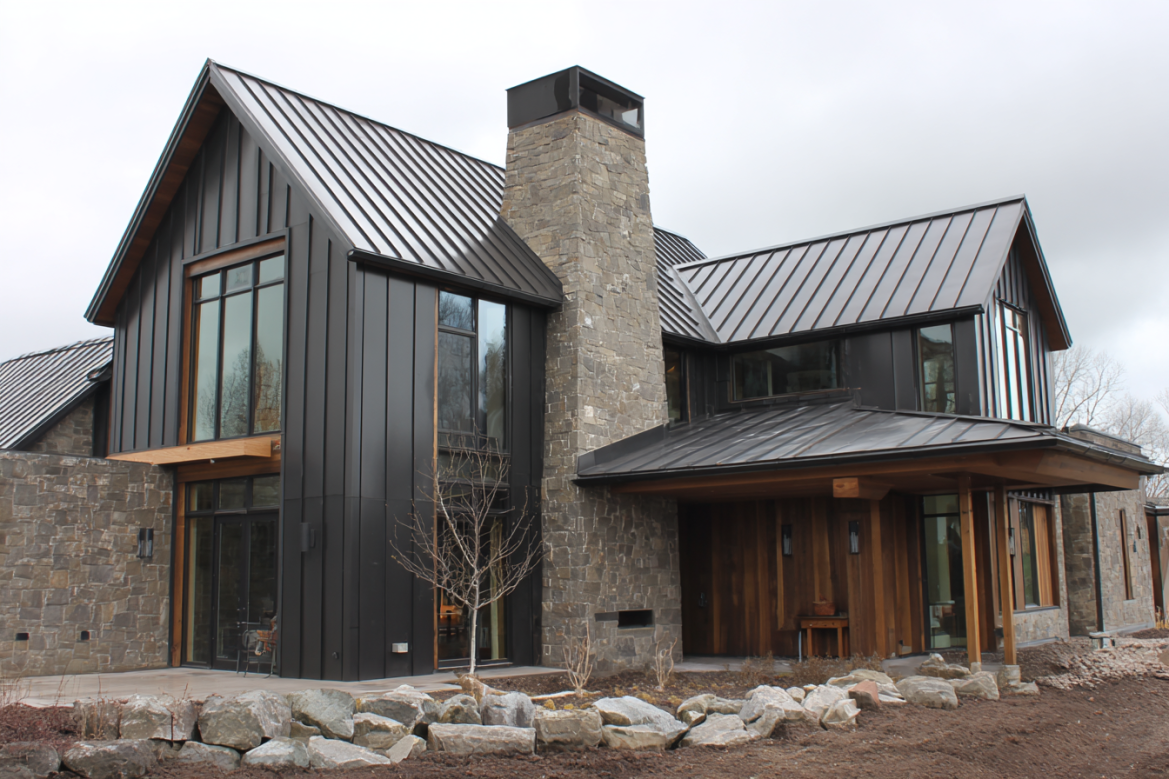
As one of the most critical components of a house, the roof protects against harsh weather conditions while contributing to your property’s aesthetic appeal and energy efficiency. Below is an overview of essential considerations homeowners should keep in mind when dealing with roofing projects.
Assessing Your Roofing Needs
Before starting any roofing project, it’s vital to assess what your home requires.
– Is your roof damaged and in need of repair?
– Does it require a complete replacement due to age or wear?
– Are you looking to upgrade the style or improve the functionality of your roof?
By answering these questions, you can determine whether you need repairs, partial replacement, or an entirely new roof installation.
Key Factors When Planning Roof Work
- Roof Material Options
Different materials offer varying lifespans, costs, and benefits. - Asphalt Shingles:Affordable and widely used but with a shorter lifespan (15–30 years).
- Clay Tiles:Long-lasting and aesthetically appealing but heavy and costly.
- Slate Roofing:Extremely durable but requires significant structural support due to its weight.
- Weather Conditions
Choose an appropriate time for roof work based on weather patterns in your area. Avoid scheduling projects during rainy or snowy seasons as this can delay work or compromise its quality. - Energy Efficiency Considerations
Modern roofing materials often include energy-saving features such as reflective coatings that help reduce cooling costs by reflecting sunlight away from the home. - Budget Planning
Roofing is a major investment; plan your budget accordingly by considering material costs, labor expenses, and potential additional charges for permits or structural modifications.
Hiring Professional Roofers
- Look for licensed contractors such as www.manchesterroofing.net with experience specific to the type of material you’re using.
- Ask for references and reviews from previous customers.
- Obtain multiple quotes from reputable companies to ensure competitive pricing.
- Confirm that they provide warranties on their workmanship and materials.
Common Pitfalls to Avoid
- Avoid choosing materials solely based on price; cheaper options may lead to higher long-term maintenance costs.
- Don’t skip regular inspections; this helps identify minor issues before they become major problems.
- Ensure proper ventilation; poor airflow can affect energy efficiency and lead to moisture buildup inside your attic.
Comparative Table of Roofing Materials
| Material | Average Lifespan | Cost per Square Foot | Notable Advantages | Potential Drawbacks |
| Asphalt Shingles | 15–30 years | $1–$5 | Affordable & easy installation | Shorter lifespan |
| Metal Roofing | 40–70 years | $5–$12 | Durable & energy-efficient | Higher upfront costs |
| Clay Tiles | 50+ years | $8–$25 | Aesthetic appeal & longevity | Heavy & expensive |
| Slate Roofing | 75+ years | $10–$30 | Extremely durable | Requires strong structural support |
Understanding these key elements will help homeowners make informed decisions about their roofing needs while ensuring long-term performance and value.
Understanding Manchester NH Roofing and When You Might Need Planning Permission
When planning roof work, many homeowners wonder whether planning permission is necessary. The answer depends on the type of work, the extent of alterations, and local regulations. Understanding when and why you might need planning permission is essential to avoid legal complications and ensure your project runs smoothly.
Understanding When Roof Replacements Manchester NH Require Planning Permission
Planning permission is typically required for roof projects that significantly alter the structure or appearance of a building.
- Raising the height of your roof to create more headroom or add an additional story generally requires planning approval since it alters the overall appearance of your property.
- Installing dormer windows or large skylights may fall under permitted development rights if they meet specific conditions (e. g. , not higher than the existing roofline). However, for larger modifications, permission will likely be necessary.
- Converting a flat roof into a pitched one or altering its overall shape can change the visual profile of your home and may require approval from your local authority.
- Homes in conservation areas, areas of outstanding natural beauty (AONBs), or listed buildings often face stricter rules regarding external changes like roof alterations. Even minor adjustments might necessitate formal permissions in these cases.
- For businesses making modifications to their roofs, including installing signage or solar panels, applications often need to be submitted for approval.
Why Planning Permission is Necessary
Planning permission ensures that construction projects comply with local regulations designed to preserve the environment, community aesthetics, and building safety standards.
- Preserving Aesthetics:Local councils aim to maintain uniformity within neighborhoods by regulating drastic architectural changes.
- Safety Concerns:Approval ensures that proposed structural changes meet safety codes.
- Environmental Considerations:Modifications should not impact protected wildlife habitats (e. g. , bats) or disrupt natural drainage systems.
Permitted Development Rights
Some smaller roof projects may fall under “permitted development rights,” which allow certain works without formal application for planning permission:
– Adding small skylights that do not protrude excessively – Repairing an existing roof without altering its height or shape – Using materials similar to the original structure
However, it’s important to verify these rights with your local council before proceeding since rules can differ based on location.
| Scenario | Planning Permission Required? |
| Repairing/Replacing Original Roof | No |
| Installing Large Dormer Windows | Yes |
| Adding Solar Panels | Sometimes |
| Changing Flat Roof to Pitched | Yes |
| Extending Roof Height | Yes |
Steps to Obtain Planning Permission
- Consult with a qualified architect or roofer familiar with local regulations.
- Contact your local council’s planning department for advice.
- Submit detailed plans outlining proposed changes along with any supporting documentation.
- Allow time for review – applications can take several weeks depending on complexity.
By understanding these requirements upfront and seeking proper approvals where needed, homeowners can ensure their project proceeds without delays or unexpected complications.
When and Why You Might Need Planning Permission for Your Roof
When it comes to roof modifications or installations, understanding whether planning permission is required can save homeowners time, money, and potential legal complications. While not all roofing projects demand planning permission, certain criteria and circumstances necessitate it. Here’s what you need to know about when and why planning permission might be required for your roof project.
Situations That Typically Require Planning Permission
Not all roofing projects are straightforward.
- Significant Alterations to Roof Shape:
If you’re altering the structural shape of your roof—for instance, converting a flat roof into a pitched one—planning permission is often required because this change affects the external appearance of your property. - Additions Such as Dormers or Roof Extensions:
Adding dormer windows or extending the roof significantly beyond its current dimensions generally requires approval. This is especially true if the new design impacts neighboring properties or exceeds height restrictions in your area. - Properties in Designated Areas:
Homes located in conservation areas, national parks, or areas of outstanding natural beauty have stricter rules regarding changes to external appearances. Even minor alterations may demand planning consent to ensure harmony with the local environment. - Listed Buildings:
If your property is listed under historic preservation laws, nearly any change to its exterior will need approval from local authorities to maintain its character and historical value.
Why Planning Permission Is Necessary
The purpose of requiring planning permission for specific projects extends beyond bureaucracy.
– Maintain Visual Harmony: Local authorities aim to preserve the visual aesthetics of neighborhoods by regulating significant changes to architectural features like roofs.Protect Neighboring Properties: Large-scale alterations might affect a neighbor’s access to sunlight, privacy, or overall enjoyment of their property.Environmental Considerations: New construction might have ecological impacts that need assessment before proceeding.Structural Safety Checks: Depending on the nature of the project, adherence to building regulations (often tied closely with planning permissions) ensures new additions meet safety standards.
Exemptions from Planning Permission for Roofing Projects
In some cases, roofing work may fall under permitted development rights (PDR), meaning no formal application is needed.
- Repairs or maintenance that do not alter the height or structure of your roof.
- Re-roofing using materials similar in appearance to those currently in use.
- Adding solar panels within specified size limits and without significant protrusion above existing structures.
| Type of Project | Requires Planning Permission? |
| Minor repairs/maintenance | No |
| Replacing like-for-like tiles | No |
| Installing dormer windows | Yes (if outside PDR specifications) |
| Changing flat roof to pitched | Yes |
| Altering structure in conservation area | Yes |
Steps To Determine If You Need Permission
- Consult Local Authorities:Always begin by contacting your local council’s planning department for advice tailored specifically to your area.
- Research Online Resources:Many councils now provide online tools that allow homeowners to check whether their project falls within permitted development rights.
- Hire a Professional:Architects or experienced builders familiar with local laws can guide you through necessary approvals efficiently.
Being proactive about understanding and adhering to planning requirements ensures your roofing project proceeds smoothly while avoiding costly penalties down the line. It’s always better to seek clarification before starting any work than face enforcement actions later on.
Understanding Roofing Contractor Manchester NH: Types of Roofs and Their Planning Permissions
When considering changes or upgrades to a roof, understanding the types of roofs and their associated planning permissions is essential. Different roofing styles can have varying impacts on the visual landscape, local regulations, and even wildlife habitats.
Common Roof Types
- Description: Simple in design with minimal slope, used for modern homes or extensions.
- Planning Permission: Generally, flat roofs don’t require planning permission if they fall within permitted development rights. However, height restrictions usually apply (e. g. , no higher than 2. 5m at eaves level for most cases).
- Considerations: If converting a pitched roof to a flat one, ensure it doesn’t overlook neighboring properties or impact drainage systems.
- Description: The traditional sloped roof design seen on most homes in the UK or US.
- Planning Permission: Often exempt under permitted development unless altering the height of the roof or making structural changes that affect external appearance significantly.
- Considerations: If adding dormer windows as part of a pitched-roof extension, specific permissions might be needed.
- Description: A single-sloped structure typically added over porches or smaller extensions at the rear of homes.
- Planning Permission: Usually doesn’t require permission under permitted development rules unless it exceeds specified dimensions (e. g. , depth exceeding 3m for attached houses).
- Considerations: The lean-to should match existing materials to blend into property aesthetics.
- Description: A dual-pitched design where all sides slope steeply before flattening out near the top for increased attic space.
- Planning Permission: Almost always requires planning permission due to its pronounced impact on building height and local skyline changes.
- Considerations: Mansard conversions are common in urban areas but may face restrictions in conservation zones.
- Description:Eco-friendly roofs designed with vegetation layers to support insulation and sustainable drainage.
- Planning Permission:Typically does not require special permissions unless accompanying structural alterations or major renovations.
- Considerations:Check local policies supporting ecological initiatives; some councils encourage green roofs with incentives.
Height Restrictions
- Most regulations focus on maintaining harmony with surrounding structures by restricting maximum ridge heights.
Property Location
- Conservation areas, listed buildings, and national parks are subject to stricter controls regarding roofing changes, often requiring additional approvals.
Overlooking Neighbors
- Any modifications impacting privacy—such as raising roofs significantly—might need written neighbor consent along with council approval.
Quick Reference Table
| Type of Roof | Planning Permission Needed? | Notes |
| Flat Roof | No (if within permitted dimensions) | Ensure height does not exceed 2.5m near boundaries |
| Pitched Roof | No (for minor repairs/extensions) | Permissions required for major structural changes |
| Lean-to | No (if depth < 3m) | Match existing materials |
| Mansard | Yes | Significant visual impact likely |
| Green/Biodiverse | No | Check incentives for eco-roofs locally |
Understanding these considerations will help homeowners plan their roofing projects responsibly while adhering to local regulations. It’s advisable to consult your local council’s planning department if there is uncertainty regarding specific requirements before starting work.
Types of Roofs and the Planning Permissions They Require
When undertaking roofing projects, understanding the types of roofs available and their associated planning permission requirements is essential for homeowners. Roof structures can significantly impact the aesthetics and functionality of your property, but they also need to comply with local regulations. Below is a guide to various roof types and the planning permissions they might require.
Common Types of Roofs
- Description: Flat roofs are horizontal or nearly horizontal structures with a slight pitch for water drainage.
- Use Cases: Frequently used in modern designs, extensions, garages, and outbuildings.
- Planning Permission: Typically, planning permission isn’t required for flat roofs unless:
- The height exceeds 2. 5m within 2 meters of a property boundary.
- The structure significantly alters the appearance of the property.
- Description: A gable roof features two sloping sides that meet at a ridge, forming a triangular end wall.
- Use Cases: Common in residential properties due to their classic design and practicality.
- Planning Permission: Usually not needed unless:
- You’re increasing the building height significantly.
- The changes impact neighboring properties or existing rooflines.
- Description: A hip roof slopes on all four sides, meeting at a ridge at the top.
- Use Cases: Popular in areas prone to high winds or heavy snowfall due to their sturdiness.
- Planning Permission: May require permission if it alters your property’s overall silhouette or is part of a listed building.
- Description: Mansard roofs have two slopes on each side; the lower slope is steeper than the upper one, creating additional living space inside.
- Use Cases: Ideal for maximizing usable attic space or adding character to older properties.
- Often required as these structures alter roof height substantially.
- May need approval if it impacts neighboring views or heritage areas.
- Description: Lean-to roofs are single-sloped structures that “lean” against another wall or building for support.
- Use Cases: Commonly used for small extensions such as porches or conservatories.
- Planning Permission:
- Not usually required if within permitted development rules (e. g. , specific size limits).
- Necessary if exceeding height limits specified by regulations.
Key Factors Influencing Planning Permissions
- Property location (e. g. , conservation areas often have stricter rules).
- The proximity of alterations to neighbors’ boundaries.
- Whether your property is listed or located in an Area of Outstanding Natural Beauty (AONB).
- Structural changes that increase overall height or volume beyond set thresholds.
Table Summary of Planning Permissions by Roof Type
| Roof Type | Typical Planning Requirement | Notes |
| Flat Roof | Rarely required | Height limits may apply |
| Gable Roof | Occasionally needed | Impact on neighbors significant |
| Hip Roof | May require permission | Adds visual bulk |
| Mansard Roof | Often required | Alters height/shape drastically |
| Lean-to Roof | Usually not needed (permitted development) | Depends on extension size/height |
Tips for Navigating Planning Permissions
- Consult your local authority early in the process to clarify requirements specific to your area.
- Hire an architect familiar with local guidelines for compliant designs.
- Consider applying for pre-planning advice if unsure about large-scale projects.
Understanding these aspects aids in avoiding delays and penalties while ensuring compliance with regulations surrounding roofing projects.
Can a Roofer Manchester NH Change a Flat Roof to a Lean-to Roof Without Planning Permission?
When considering changes to your roof, one of the most common questions is whether you can convert a flat roof into a lean-to roof without planning permission. The answer largely depends on your location, local planning regulations, and the specific nature of the project. Below, we’ll explore key factors that influence this process and what homeowners need to consider before starting such a renovation.
Understanding Permitted Development Rights
In many cases, minor roof alterations fall under Permitted Development Rights(PDR), which allow homeowners to make certain changes without the need for formal planning permission.
- The overall height of the new structure does not exceed 4 meters for detached properties or 3 meters for semi-detached/terraced houses.
- The alteration does not extend more than 200 millimeters beyond the plane of the existing roof slope (measured externally).
- The materials used are similar in appearance to those used in the original construction.
- The modification does not obstruct public roads or footpaths.
It’s crucial to verify that your property qualifies under PDR since rules vary depending on whether you’re in an urban area, rural location, or conservation zone.
Situations That Require Planning Permission
There are circumstances where planning permission will likely be required for your project.
- Significant Height Increase: If converting the flat roof involves raising its height significantly, you’ll need approval.
- Listed Buildings: Alterations on buildings with listed status require special permissions.
- Conservation Areas: Properties within conservation areas often have stricter guidelines on external appearances.
- Impact on Neighbors: If your change affects neighboring properties—such as blocking sunlight or altering views—formal permission may be necessary.
Check with your local council or governing body for clarity on these exceptions.
Steps to Determine Next Actions
- Consult Local Authorities: Contact your local planning department or visit their website for detailed guidance.
- Hire an Architect or Builder: Professionals familiar with local regulations can assess whether permissions are required and help with paperwork.
- Conduct Pre-Application Enquiries: Many councils offer pre-application advice services where planners provide feedback before formal submission.
- Survey Your Property Boundaries: Check whether any shared walls or adjacent spaces could complicate your project.
Advantages of a Lean-to Roof Conversion
- Improved drainage due to sloped design.
- Enhanced durability compared to traditional flat roofs, which are prone to water pooling and leaks.
- Aesthetic appeal—lean-to designs often complement traditional architectural styles better than flat roofs.
| Feature | Flat Roof | Lean-To Roof |
| Drainage | Poor | Excellent |
| Aesthetic Appeal | Modern but less versatile | Blends well with various designs |
| Maintenance | Requires frequent upkeep | Fewer long-term issues |
Final Thoughts
While it’s tempting to undertake this upgrade without seeking proper advice, ensure all legal requirements are met beforehand. Understanding whether you fall under Permitted Development Rights will save time and avoid potential fines associated with unauthorized changes. Prioritizing professional advice and adhering strictly to local regulations ensures you achieve both functional improvements and peace of mind during your project.
- Expert Tips for Roof Installation Manchester NH Homeowners Need to Know
- The Importance of Hiring a Professional Roofer Manchester NH for Proper Roof Installation
- Manchester NH roofing: Your Ultimate Guide to Estimating Costs and Materials
- The Ultimate Guide to Manchester NH Roofing Installation and Replacement
- Tips for Choosing the Right Roofing Contractor Manchester NH for Your New Roof Installation
- Step-by-Step Guide to Reshingle a Roof with a Roofing Contractor Manchester NH
- The 8-Step Process for Manchester NH Roofing: Replacing Your Roof from Start to Finish