
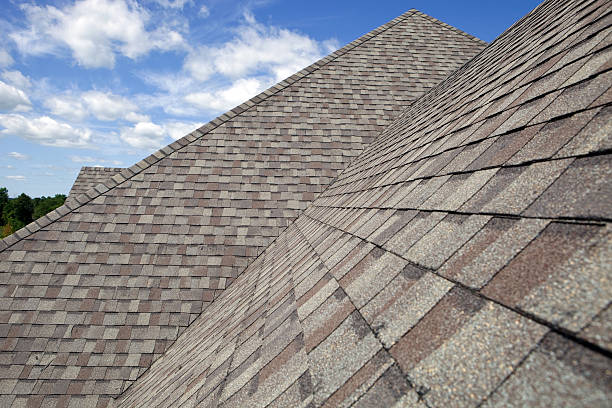
Proper roof installation is one of the most critical aspects of safeguarding your home. A roof acts as the primary defense against weather elements, provides structural integrity, and contributes to energy efficiency. Ensuring a well-installed roof not only protects your property but also enhances its long-term value.
Key Benefits of Proper Roof Installation
- Protection Against Leaks and Water Damage:
Poorly installed roofs are prone to leaks, which can result in costly water damage to ceilings, walls, and insulation. A proper installation creates a watertight barrier against rain and snow. - Energy Efficiency:
An improperly installed roof can lead to heat loss in the winter or excess warmth in the summer due to poor ventilation and insulation. On the other hand, proper installation ensures better energy efficiency by minimizing unwanted air exchange. - Longevity:
A properly installed roof maximizes the lifespan of roofing materials. This means fewer repairs or replacements over time, saving you money in the long run. - Enhanced Curb Appeal:
Beyond functionality, a well-installed roof improves your home’s appearance. Clean lines, uniform shingles, and high-quality craftsmanship enhance curb appeal for potential buyers if you decide to sell.
Common Issues Caused by Poor Installation
- Premature Aging of Roofing Materials
Inadequate nailing techniques or poorly aligned shingles can cause materials to degrade faster than expected. - Water Intrusion
Gaps or misaligned flashing allow water seepage into vulnerable areas such as chimneys or skylights. - Sagging Rooflines
Insufficient support during installation can create dips or uneven surfaces on a newly installed roof. - Mold Growth
Improper sealing often leads to moisture buildup within insulation layers—creating an ideal environment for mold.
Steps to Ensure Proper Roof Installation
- Hire Licensed Roofing Contractors: Always work with licensed professionals who have verified expertise in roofing systems.
- Choose High-Quality Materials: Ensure your contractor uses durable materials suited for your home’s climate.
- Inspect Underlayment Installation: Proper underlayment ensures water resistance beneath shingles.
- Verify Flashing Placement: Flashing around vents, chimneys, and valleys should be securely sealed.
- Confirm Ventilation Systems Are Adequate: Adequate ventilation helps prevent heat buildup and protects against condensation issues within attic spaces.
Recommended Maintenance After Installation
| Maintenance Task | Frequency | Reason |
| Inspect for loose shingles | Twice a year | To address potential entry points for water damage |
| Clear gutters | Quarterly | To prevent water backup onto roofing materials |
| Check flashing seals | Annually | To ensure no gaps develop over time |
| Remove debris regularly | As needed | To avoid accumulation that can trap moisture |
A properly installed roof not only delivers peace of mind but also represents a worthwhile investment in protecting your home’s safety, comfort, and value over time.
Identifying When Your Manchester NH Roofing Needs Replacement
Your roof plays a critical role in protecting your home from the elements, but over time, wear and tear can compromise its integrity. Recognizing when it’s time to replace your roof is essential to avoiding costly repairs and potential damage to your home. Below, we’ll explore the key signs that indicate you may need a roof replacement and why addressing these issues promptly is vital.
Essential Tips for Roof Installation Manchester NH Homeowners Should Know
- Asphalt shingle roofs: Typically last 20-30 years depending on quality and climate.
- Metal roofs: Can last 40-70 years but may still require inspection for corrosion or loose panels.
- Clay tiles and slate roofs: Highly durable but should be inspected for cracks or displacement after decades of use.
If your roof has surpassed its expected lifespan, even if no visible issues are present, it’s wise to consider replacing it before problems arise.
- Stains on ceilings or walls.
- Mold growth in attic spaces.
- Dripping water during rainfall or snow melts.
Water infiltration is one of the most apparent signs of roof failure. Small leaks often worsen over time, leading to structural damage or health hazards like mold.
- Damaged Shingles
Look for: - Cracked or curling shingles.
- Missing shingles exposing the underlayment.
- Granule loss visible in gutters or around downspouts.
Damaged shingles compromise your roof’s ability to protect against water intrusion and temperature regulation.
- Sagging Rooflines
A sagging roofline typically indicates structural issues such as weakened decking or damaged trusses. This problem poses a significant safety risk and often necessitates immediate replacement. - Daylight Through the Attic
Inspect your attic during daylight hours to see if sunlight is filtering through the roofing boards. Visible light openings mean there are gaps in your roof that could lead to leaks and pest infestations.
The Risks of Delaying Roof Replacements Manchester NH
Postponing roof replacement can result in:
– Higher Repair Costs: Structural damage caused by neglect will demand costly repairs beyond just replacing roofing materials.
– Decreased Energy Efficiency: A failing roof compromises insulation, causing higher energy bills due to heat loss in winter or excessive heat gain during summer months.
– Reduced Home Value: A deteriorating roof can significantly impact resale value as potential buyers factor repair costs into their offer price.
| Issue | Potential Consequence | Solution |
| Leaks | Water damage, mold growth | Replace damaged areas |
| Aging materials | Reduced protection from weather | Full roof replacement |
| Sagging structure | Risk of collapse | Structural reinforcement & new roofing |
When Professional Inspection Is Necessary
If you’re noticing any of these warning signs but are unsure about the overall state of your roof, contacting a qualified roofing contractor for an inspection is recommended. Professionals can assess:
– Underlying structural issues not visible from outside. – Moisture accumulation beneath roofing layers. – The potential lifespan remaining for aging materials.
Early detection through professional evaluations can save you money by preventing further damage while helping you plan for a timely replacement project.
By staying proactive about recognizing the signs that indicate it’s time for a new roof, homeowners ensure their property remains safe, comfortable, and energy-efficient long term—no matter what Mother Nature brings their way.
Understanding Different Roof Installation Methods and Their Benefits
Selecting the right roof installation method is essential for ensuring the durability, energy efficiency, and aesthetic appeal of your home or commercial property. Each method offers unique advantages, making it crucial to understand their differences to make an informed decision.
Common Roof Installation Methods
- Process: Asphalt shingles are laid in overlapping rows, secured with nails, and sealed with adhesive.
- Cost-effective and widely available.
- Easy to install and repair.
- Available in various colors and styles for aesthetic flexibility.
- Process: Metal panels or shingles are secured using fasteners or concealed systems.
- Extremely durable with a lifespan of 40–70 years.
- Reflects heat, improving energy efficiency.
- Lightweight material reduces structural strain.
- Process: Flat roofs typically use materials such as EPDM (rubber), TPO (thermoplastic polyolefin), or modified bitumen applied over a flat surface.
- Ideal for modern designs and commercial properties.
- Easy to maintain due to accessible surfaces.
- Offers space for rooftop gardens or HVAC systems.
- Process: Tiles are individually installed in an overlapping pattern on top of underlayment materials.
- Highly durable against weather extremes.
- Provides excellent thermal insulation.
- Adds a distinctive architectural style to homes.
- Process: Natural slate tiles are carefully cut and installed over a secure structure due to their weight.
- Benefits:
- Long-lasting with lifespans exceeding 100 years.
- Exceptional water resistance.
- Luxurious appearance that enhances property value.
Choosing the Right Roof Installation Method
- Climate Conditions: Opt for materials resistant to the specific weather patterns in your area, such as metal panels for heavy snowfall zones or asphalt shingles for mild climates.
- Budget Constraints: While every homeowner desires the best quality roofing, some methods like slate can be cost-prohibitive compared to asphalt shingles which may offer better affordability without compromising reliability.
- Building Structure: The weight-bearing capacity of your building’s structure determines whether heavier options like tile roofing are feasible or if lighter alternatives like metal would be better suited.
Comparative Table of Roof Installation Methods
| Method | Lifespan | Cost | Maintenance Requirements | Ideal For |
| Asphalt Shingles | 15–30 years | Low | Moderate | Residential homes |
| Metal Roofing | 40–70 years | Medium | Low | Homes in extreme climates |
| Flat Roofing | 10–25 years | Medium | Low | Commercial buildings |
| Tile Roofing | 50–100+ years | High | Low | Mediterranean-style architecture |
| Slate Roofing | 75–100+ years | Very High | Very Low | Luxury properties |
Benefits of Proper Roof Installation
- Enhanced durability by preventing leaks and structural damage over time.
- Improved energy efficiency through effective insulation techniques tailored to each roofing type.
- Increased property value by elevating curb appeal and guaranteeing long-term functionality.
Carefully analyzing these factors will ensure you select the right roofing method that meets both your needs and budget while adding lasting value to your home or building project.

What to Do if Your Roof Was Installed Incorrectly
Incorrect roof installation can lead to a wide range of problems, from structural damage to increased energy costs. If you suspect your roof was installed improperly, it’s essential to address the issue promptly to avoid further complications. Below, we’ll explore common signs of improper roof installation, the potential consequences, and the steps you should take to remedy the situation.
Signs of Improper Roof Installation
- Leaks or Water Damage: Water stains on ceilings or walls may indicate gaps in roofing materials caused by improper installation.
- Shingles Misalignment: Shingles that appear crooked, overlap incorrectly, or have inconsistent spacing can be a red flag.
- Sagging Areas: Parts of your roof that sag could suggest inadequate support or poor material placement during installation.
- Loose or Missing Shingles: This could point to improper fastening techniques.
- Inconsistent Flashing: Flashing around chimneys and vents should be tightly sealed and properly aligned; otherwise, it creates entry points for water.
- Excessive Energy Bills: If your utility costs have spiked unexpectedly, poor insulation or ventilation from an incorrect install could be contributing factors.
The Risks of Ignoring Poor Installation
| Potential Risk | Impact |
| Water Damage | Leads to mold growth, structural damage, and compromised interiors |
| Reduced Lifespan of Roofing | A poorly installed roof may need replacement far sooner than expected |
| Higher Energy Costs | Poor insulation increases heating and cooling expenses |
| Safety Hazards | Roof collapse risk due to weakened structural integrity |
Steps to Take if Your Roof Was Installed Incorrectly
- Document the Issues
Take photos and detailed notes about the problems you’re noticing. This documentation will be helpful when discussing repairs with contractors or pursuing legal action against the original installer. - Contact a Professional Roofer for Inspection
Hire a licensed roofing professional who specializes in inspections. They will assess the extent of the issues caused by improper installation. - Request a Detailed Assessment Report
Ask for a written report outlining their findings and recommended solutions. This document provides clarity on next steps while giving you leverage during discussions with contractors. - Check Warranty Terms
Review any warranties that came with your original roofing project. Many warranties may cover repairs if issues arise due to faulty workmanship within a specified time frame. - Hire an Experienced Contractor for Repairs
Work with a qualified roofer who has positive reviews and proven expertise in repairing improperly installed roofs. - Consider Legal Action if Necessary
If installer negligence is evident but they refuse accountability, legal counsel may help recover repair costs through small claims court or other avenues.
Tips for Preventing Future Issues
To avoid dealing with incorrect installation in future projects: – Research roofing companies thoroughly before hiring. – Always request proof of licensing and insurance. – Check references from past clients. – Review contracts carefully before signing.
Properly addressing an incorrect roof installation ensures safety, prolongs your home’s lifespan, and protects against costly future repairs by preventing further damage from occurring over time.
How to Choose and Work With a Qualified Roofing Contractor Manchester NH
Selecting the right roofing company is one of the critical steps in ensuring your roof is durable, functional, and visually appealing. A properly installed roof not only protects your home but also adds to its overall value. Below are guidelines to help you choose and work effectively with a qualified roofing company.
Key Factors to Consider When Choosing a Roofing Company
- Look for companies with several years of experience in the roofing industry. Longevity often indicates reliability and skill.
- Verify their expertise in handling different types of roofs, such as asphalt shingles, metal roofing systems, or flat roofs.
- Check if they are knowledgeable about local building codes and regulations.
- Ensure the company is licensed to operate in your state or region.
- Confirm that they carry liability insurance as well as workers’ compensation coverage to protect you from potential liabilities.
- Research online reviews on platforms like Google, Yelp, or Better Business Bureau (BBB).
- Ask for references from past customers to learn about their experiences.
- Pay attention to how the company handles complaints or negative feedback.
- Review the warranties offered on both materials and labor.
- A reputable company typically provides guarantees covering workmanship issues for an extended period.
- Request detailed quotes outlining costs for materials, labor, permits, and any additional fees.
- Avoid companies that provide vague estimates or pressure you into signing immediately.
Questions to Ask When Interviewing Roofing Contractors
- What certifications or training do your employees have?
- Can you provide a portfolio of completed projects?
- What safety measures do you follow during installations?
- Do you subcontract any part of the work? If so, who oversees quality control?
Working Effectively With Your Chosen Contractor
- Set Clear Expectations: Establish timelines, payment schedules, and communication preferences upfront.
- Monitor Progress Without Micromanaging: While it’s important to stay informed about progress, trust their expertise in executing tasks efficiently.
- Document Everything: Keep records of contracts, receipts, warranties, and any other related documentation for reference.
Red Flags To Watch Out For
| Red Flag | Why It’s a Concern |
| No Physical Office | Lack of accountability or legitimacy |
| Unusually Low Estimates | May indicate subpar materials/workmanship |
| High-Pressure Tactics | Pushy behavior can signal dishonesty |
| No Written Contract | Leaves room for misunderstandings |
Choosing an experienced and reputable roofing contractor can save you time, money, and future headaches. Proper communication during the process ensures your project stays on track while meeting your expectations. An investment in selecting the right partner for your roofing needs will ultimately contribute significantly to your home’s safety and value.
The Advantages of Concealed Fastener Systems for Modern Roofing Projects
Concealed fastener systems have become a popular choice in modern roofing projects due to their sleek appearance, enhanced durability, and long-term performance. These systems are characterized by hidden screws or fasteners that secure roofing panels without being visible on the surface. This design not only improves aesthetics but also protects the fasteners from external elements that could lead to wear and corrosion over time. Below is a detailed look at why concealed fastener systems are advantageous for contemporary roofing.
Enhanced Aesthetic Appeal
- Residential properties aiming for a minimalist design.
- Commercial buildings that want to maintain a professional exterior.
- Architectural projects where appearance plays a critical role in design.
The absence of exposed hardware creates an uninterrupted visual flow that enhances curb appeal.
Increased Durability
- Rainwater
- UV rays
- Snow and ice
- Fluctuating temperatures
These elements can lead to rusting, loosening, or failure over time. By hiding these components beneath the roofing materials, concealed systems shield them against such risks, making them less vulnerable to wear.
Superior Weather Tightness
- Minimizing gaps where water can seep through.
- Providing watertight seals around joints and edges.
- Ensuring longer-lasting protection during extreme weather conditions.
For homes in regions prone to heavy rain or snow, this feature can significantly reduce issues like leaks or water damage.
Low Maintenance Requirements
| Feature | Maintenance Benefit |
| Hidden Fasteners | Reduced risk of rust or corrosion |
| Fewer Entry Points for Moisture | Lower likelihood of leaks or water damage |
| Durable Materials | Withstand harsher conditions with minimal care |
This means homeowners and property managers can save both time and money on repairs over the roof’s lifespan.
Suitability for Solar Integration
Modern roofs are often designed with energy efficiency in mind, including compatibility with solar power solutions. Concealed fastener systems provide a stable foundation for mounting solar panels without compromising structural integrity or aesthetics. Their even surfaces make it easier to attach solar equipment securely while maintaining weatherproof performance.
Key Considerations When Choosing Concealed Fastener Systems
While these advantages make concealed systems appealing, it’s essential to work with experienced professionals who understand proper installation techniques. Poor installation could negate many benefits by introducing alignment issues or compromising structural stability.
- Consult Experts: Ensure your roofer has experience installing concealed fastener roofs.
- Choose High-Quality Materials: Opt for durable panels designed specifically for concealed applications.
- Consider Climate Factors: Evaluate whether this system meets your region’s weather-related needs.
- Evaluate Costs: While often more expensive upfront than traditional alternatives, their durability may result in long-term savings.
By taking these steps into account during planning stages, you’ll maximize the value of your investment in a modern roofing solution.
Concealed fastener systems offer both functional superiority and aesthetic advantages ideal for contemporary buildings facing diverse environmental challenges. If you’re looking to enhance your property with cutting-edge roofing solutions that combine form and function seamlessly, discussing options like this system with qualified professionals is an excellent starting point.

Is Your Roof Strong Enough to Support Advanced Solar and Battery Systems?
As solar energy systems and battery storage solutions gain popularity, homeowners are increasingly considering their integration into residential properties. However, before installing these advanced systems, it’s crucial to evaluate whether your roof can support the additional weight and structural requirements. A properly prepared roof ensures the safety, efficiency, and longevity of both the roofing system and the solar equipment.
Factors to Consider Before Installing Solar Panels
- Roof Age: If your roof is nearing the end of its lifespan, it may not be a suitable candidate for solar panel installation. Installing solar equipment on an older roof might lead to complications or require premature removal when it comes time for a replacement.
- Roof Material: Some roofing materials are more compatible with solar installations than others. For example:
- Asphalt shingles are commonly used because they are durable and relatively simple to work with.
- Metal roofs are also a great option due to their longevity and ability to support mounting hardware.
- Clay tiles or slate roofs may require specialized mounting systems due to their fragility.
- Structural Integrity: The added weight of solar panels, racking systems, and batteries can put significant stress on your roof’s structure. It’s important for a professional roofer or structural engineer to assess whether your roofing system can handle this load.
Weight Considerations
| Component | Approximate Weight |
| Solar Panels | 2-4 lbs per square foot |
| Mounting Racks | ~1 lb per square foot |
| Battery Storage Systems | Variable (can exceed 200 lbs/unit) |
This table provides an estimate of typical weights involved in solar installations. For an accurate assessment, consult with both a roofing professional and a solar provider.
Weather Resistance
Strong winds, heavy snow loads, hailstorms, or other extreme weather conditions can place additional strain on both your roof and any attached solar panels. It’s vital that your existing roofing system can withstand such events without compromising its integrity or damaging the solar equipment.
Key aspects include: – Properly secured mounting brackets that prevent movement in high winds. – Roofing materials that resist water penetration in case of rain or snow buildup. – Adequate drainage systems around the installation points.
Steps To Ensure Your Roof Is Ready
- Schedule a Professional Roof Inspection
Hire a licensed roofer who can assess structural integrity, material quality, and existing wear-and-tear that could impact installation success. - Reinforce Weak Areas
If necessary, repair any damaged sections of the roof or add structural reinforcements such as bracing before proceeding with an installation. - Consider Roof Replacement Before Solar Installation (If Needed)
For aging roofs nearing their replacement timeline (typically 15-30 years depending on material), it makes sense to replace them prior to installing any long-term equipment like solar panels. - Work With Experienced Professionals
Collaborate with qualified contractors who specialize in both roofing solutions as well as renewable energy technologies for seamless integration.
Advanced energy solutions like solar power provide significant long-term benefits for homeowners but only when combined with proper structural preparation at every stage of implementation—from inspection through installation phase supervision by experts familiar with industry best practices across all relevant fields involved directly indirectly alike responsibly professionally always.
- Expert Tips for Roof Installation Manchester NH Homeowners Need to Know
- The Importance of Hiring a Professional Roofer Manchester NH for Proper Roof Installation
- Manchester NH roofing: Your Ultimate Guide to Estimating Costs and Materials
- The Ultimate Guide to Manchester NH Roofing Installation and Replacement
- Tips for Choosing the Right Roofing Contractor Manchester NH for Your New Roof Installation
- Step-by-Step Guide to Reshingle a Roof with a Roofing Contractor Manchester NH
- The 8-Step Process for Manchester NH Roofing: Replacing Your Roof from Start to Finish